nmb

nmb

Wednesday, August 29, 2012

JE WAYAJUA MAPAMBO YA KIAFRIKA? BASI ANGALIA HAPA.


katika picha hii hapo juu, hapa kitenge kimetumika katika mito na sofa< na kama inavyoonekama imependeza vizuri tuuu, sasa kwa wewe unayependa mapambo ya kiafrika, unaweza ukabadilisha sofa lako kwa kutumia kitenge ama batiki na ikapendeza tuu, ila uwe mwangalifu na rangi, maana vingine hua vinachuja....

 Hapa napo ni aina ya vitenge vya west africa kama sijakosea, mtanisahihisha.... na ngozi hii ya punda milia inatumika kama decorative carpet.....

 Vitenga havijaachwa nyuma,,, na ngozi ya ng'ombe hiyo hutumika kama decorative carpet

 vitambaa vyenye picha za aina ya tingatinga nazo ni nzuri kwa kutumia.....


Ninachoweza kusema ni kua kwa kutumia vitenge, batiki, ngozi za wanyama, vibuyu, na vitu vyote vya kiafrika katika nyumba yako kwa wale wanaotaka kua na mandhali ya kiafrika, inawezekana, na vitu hivi vinapatikana hapa hapa kwetu Tanzania.

nitumie sms kwa kupitia  na nitaleta humu humu kuwaelekeza......

HABARI HII NI KWA HISANI YA  http://homezdeco.blogspot.com/

0715 - 920 565

Monday, August 27, 2012

HAWA NDIO VYURA WA KIHANZI/KIHANZI TOADS

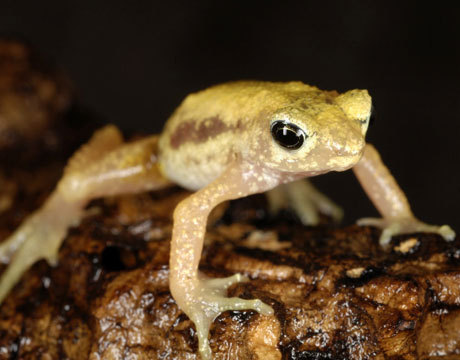
Kihansi toads lived in the spray of a single waterfall before a major hydropower dam was built, But the Kihansi toad lives on thanks to the efforts of Tanzania and two American zoos. One hundred extremely rare Kihansi spray toads, a species last seen in Tanzania in 2004 after their habitat was destroyed by a new hydroelectric dam, have been flown home from the Bronx and Toledo zoos in the US.

Kihansi toads

Kihansi spray toad

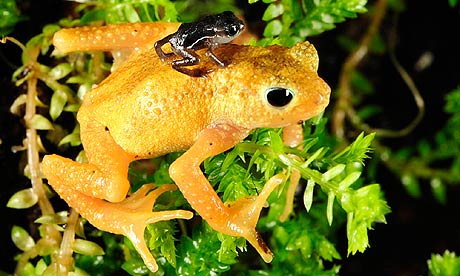
A newborn Kihansi spray toad clings to the back of an adult female at the Bronx Zoo in New York.

They were taken to a "state-of the-art propagation centre" in Dar es Salaam where staff, presumably detecting a lot of tiny smiles, described the toads as "cheerful".Well they might be. If all goes well they will soon be returned to their parents' old hopping grounds, cooled by an artificial sprinkler system to mimic their original misty home.

Kihansi toad

The species was first discovered in 1996 during an environmental impact study for a large new hydroelectric dam in the Udzungwa mountains, in southern Tanzania. The toads lived exclusively in a five-acre zone under the spray of a waterfall.

Three years later construction of the hydroelectric dam drastically reduced the waterfall's flow, and the blanket of mist that gave the Kihansi spray toads their name disappeared. Soon, so too did the amphibians. With no sightings for five years, the toad was declared to be extinct in the wild by the International Union for the Conservation of Nature. 

Fortunately the World Bank, which part funded the dam, and the Tanzanian government had agreed on a plan in 1999 to try to ensure the species lived on. A colony of 499 toads were taken from the gorge to the US zoos, where they were bred in laboratories. They are now about 6,500 at the zoos. Unusually among toads, the females do not lay eggs that hatch into tadpoles, instead giving birth to fully formed young.Scientists who worked on the project suspect that a combination of habitat loss, exposure to pesticide, and the emergence of infective chytrid fungus led to the toad's original demise in the wild.

Wednesday, August 22, 2012

HUU NDIO UKWELI KUHUSU MPAKA WA TANZANIA NA MALAWI

Mgogoro huo ulianza enzi ya Kamuzu Banda alipokuwa raisi. miaka ya sitini Kamuzu alikuwa anazungumza kwenye redio yao, Malawi Broadcasting Corporation kutoka Blantyre, Malawi, na kusema ziwa lote ni la Malawi na pia wilaya ya Rungwe na hadi Mbeya ni sehemu ya Malawi.

Kuna siku mwezi wa September 1968 Nyerere alimwita Banda ni kichaa. Alikasirika sana kwa sababu ya madai ya Mzee Kamuzu kwamba sehemu za Tanzania ni za Malawi. Alidai hata Mbamba Bay na sehemu zingine mkoani Ruvuma karibu na Ziwa Nyasa kwamba ni za Malawi. Pia alidai jimbo lote, Eastern Province, la Zambia. Kaunda alimjibu Banda na kusema ni shauri yake akitaka kuanzisha vita.

Kabla ya mgogoro huo, Banda alikuja Tanzania na kukutana na Nyerere mwaka 1962 na kumwambia hakuna nchi ya Mozambique. Alimwambia Nyerere wagawane nchi hiyo. Alimwambia Nyerere sehemu ya kaskazini ya Mozambique, sehemu ya Wamakonde jimbo la Cobo Delgado, "ni lako" Nyerere. Ni sehemu ya Tanzania. Sehemu za Mozambique zilizobaki ni za Malawi, Rhodesia na Swaziland. Nyerere alimpuuza tu.


  President Joyce Banda
Baada ya miaka michache, 1968, Kamuzu akatangaza na kusema sehemu zetu za Tanzania nilizozitaja hapo juu ni sehemu za Malawi.

Mzee Kamuzu alikuwa ni mkorofi sana.

CHANZO CHA MGOGORO

Mgogoro wa ziwa umetokana na uamuzi wa wakoloni wa Kiingereza kuliweka ziwa hilo chini ya utawala wao wa Nyasaland wakati walipokuwa wanatawala nchi hiyo na ilipokuwa ni British Protectorate. Walifanya uamuzi huo baada ya Wajerumani kushindwa katika vita kuu ya kwanza na Waingereza walipoichukua German East Afrika - iliyokuwa inaitwa Deutsch Ostafrika katika Kijerumani - na kuwa koloni yao ya Tanganyika. Kabla ya hapo, kutokana na makubaliano kati ya Waingereza waliokuwa watawala wa Nyasaland na Wajerumani waliokuwa watawala wa nchi yetu, mpaka wa ziwa ulikuwa kati ya ziwa. Na ndiyo mpaka huo tu ambao ni halali pamoja na jina kuitwa Nyasa, siyo Malawi.

Uamuzi wa Waingereza kuliweka ziwa hilo chini ya utawala wao Nyasaland haukubadilisha mpaka wa ziwa kihalali kwa sababu mipaka yote ya nchi zetu ilikubaliwa wakati bara letu lilipogawanywa na wakoloni. Ni mipaka hiyo ambayo hata sisi tuliikubali baada ya kupata uhuru na hakuna hata nchi moja ambayo ina haki peke yake ya kubadilisha mipaka hiyo. Hata Waingereza hawakuwa na haki ya kulikiweka Ziwa Nyasa chini ya ukoloni wao Nyasaland kwa sababu walivunja makubaliano yao na Wajerumani ambayo yalisema mpaka wa ziwa ni kati ya ziwa hilo: nusu ni sehemu ya Deutsch Ostafrika ambayo sasa ni Tanganyika, na nusu nyingine ni ya Nyasaland chini ya utawala wa Waingereza.

Hata wilaya ya Rungwe ambayo ilijumuisha Kyela na Ileje ilikuwa inatawaliwa kutoka Nyasaland mara tu baada ya Wajerumani kushindwa vita kuu ya kwanza na Waingereza walipopewa madaraka ya kutawala nchi ambayo ilikuwa ni koloni ya Wajerumani; yaani nchi yetu ya Tanganyika.

Deutsch Ostafrika - German East Africa - ilikuwa ni nchi tatu: Tanganyika, Ruanda na Urundi (nchi ambazo zilibadili majina na kuitwa Rwanda na Burundi mwaka 1962 baada ya kupata uhuru).

League of Nations - jumuiya ya mataifa iliyoitangulia United Nations - iliwapa Wabeligiji Ruanda na Urundi. Koloni hizo mbili za Wabeligiji zilikuwa zinatawaliwa kutoka Leopoldville, mjii mkuu wa Belgian Congo, nchi ambayo pia ilikuwa inatawaliwa na Wabeligiji. Mpango huo ni kama vile wilaya ya Rungwe ilipowahi kutawaliwa kutoka Karonga na Waingereza waliokuwa wanatawala wa Nyasaland na baadaye kiuchukua nchi yetu ya Tanganyika kutoka kwa Wajerumani.

Baada ya vita kuu ya kwanza, na Wajerumani kushindwa vita hiyo, waziri mkuu wa Uingereza, Lloyd George, kwenye mkutano wa League of Nations alimwambia raisi wa USA, Woodrow Wilosn, kwamba aichukue German East Africa, yaani nchi yetu, na kuiweka chini ya utawala wa Merikani baada ya Wajerumani kuipoteza nchi hiyo katika vita kuu ya kwanza. Lakini President Wilson alikataa. Angekubali, nchi yetu ingetawaliwa na USA na tungekuwa koloni ya USA. Baada ya Rais Wilson kukataa kuichukua nchi yetu, Lloyd George akakubali na kusema ataichukua Tanganyika na kuiweka chini ya utawala wa nchi yake ya Uingereza. Tuliponea chupuchupu kuchukuliwa na Wamerika. Nchi yetu ingechukuliwa na Wamerika, labda tusingepata uhuru. Wamerika wangeing'ang'ania nchi yetu kama vile walivyo ng'ang'ania nchi zingine walizochukua bila kuzipa uhuru.

Kuhusu Ziwa Nyasa, kwa kifupi ni kwamba mpaka halali uko kati ya Ziwa. Ni mpaka ambao Wajerumani na Waingereza walikubaliana kuzigawa koloni zao: Nyasaland kuwa ya Waingereza; nchi yetu, Deutsh Ostafrika, kuwa ni ya Wajerumani. Walikubaliana kwamba mpaka wa ziwa ni kati ya ziwa hilo. Upande mmoja tu, Waingereza, hawakuwa na haki ya kubadili mpaka kati ya Tanganyika na Nyasaland walipolikweka ziwa hilo chini ya utawala wao Nyasaland.

Nukuru kutoka kitabu cha Nyerere and Africa: End of an Era, ukurasa 484:

"Dr. Banda also claimed substantial parts of Tanzania, including - Rungwe district - and the rest of Mbeya Region in southwestern Tanzania, as Malawian territory. He also claimed the entire Eastern Province of Zambia, provoking a curt response from Zambia’s president, Dr. Kenneth Kaunda, who challenged Banda to 'Go ahead and declare war on Zambia.'

And President Nyerere dismissed Banda’s claim to large chunks of Tanzanian territory as 'expansionist outbursts, which do not scare us, and do not deserve my reply.' The outlandish claim also drew a sharp response from Nyerere who said Dr. Banda was 'insane.' But, he warned, 'Dr. Banda must not be ignored; the powers behind him are not insane.'"


Akizungumza ktk chuo kikuu cha Dar es Salaam, November 1997, Mwalimu Nyerere alisema

"In 1961 we became independent. In 1962, early 1962, I resigned as prime minister and then a few weeks later I received Dr. Banda. Mungu amuweke mahali pema (May God rest his soul in peace). I received Dr. Banda. We had just, FRELIMO had just been established here and we were now in the process of starting the armed struggle.

So Banda comes to me with a big old book, with lots and lots of maps in it, and tells me, 'Mwalimu, what is this, what is Mozambique? There is no such thing as Mozambique.' I said, 'What do you mean there is no such thing as Mozambique?' So he showed me this map, and he said: 'That part is part of Nyasaland (it was still Nyasaland, not Malawi, at that time). That part is part of Southern Rhodesia, that part is Swaziland, and this part, which is the northern part, Makonde part, that is YOUR part.'

So Banda disposed of Mozambique just like that. I ridiculed the idea, and Banda never liked anybody to ridicule his ideas. So he left and went to Lisbon to talk to Salazar about this wonderful idea. I don’t know what Salazar told him. That was ‘62."

Who Owns Lake Nyasa?


Lake Nyasa. Photograph by Karim Logue.
 
President Jakaya Kikwete of Tanzania has insisted that war with Malawi is not a feasible outcome of ongoing disputes between the two countries over the ownership of the lake which borders the two countries.
Lake Nyasa, known as Lake Malawi by Malawians, has been the source of disagreements since colonial times, which were rekindled recently when Malawi allowed gas and oil exploration to begin around the lake’s border. Rhetoric has escalated over the past few months although it seems both sides are now attempting to calm tensions.

A history of disputes

Located at the junction of Malawi, Mozambique and Tanzania, Lake Nyasa – the eighth largest in the world – contains an estimated 168,000 tonnes of fish of nearly 1000 species, and is able to provide sustenance for nearly 600,000 people.
In the early 1960s, Malawi’s first president, Hastings Kamuzu Banda, claimed that Lake Nyasa was part of Malawi referring to 1890 Heligoland Agreement between Britain and Germany which stipulated that the border between the countries lay along the Tanzanian side of the lake. This treaty was reaffirmed at the 1963 Organisation of African Unity summit where it was accepted reluctantly by Tanzania although disputes reignited in 1967-8.
Malawi also alleges that the 2002 and 2007 African Union resolutions upheld the colonial agreement because of the emphasis on member states upholding the borders inherited upon independence.
Some, however, argue that it is necessary to correct the errors of the colonial powers, and Tanzania has sought recourse to international law, which indicates that borders are generally in the middle of a body of water, claiming Tanzania should therefore own half the lake.

Oil and the re-emergence of the issue

The resurgence of the dispute began in October when Malawi’s former president, Bingu wa Mutharika, awarded a contract to British Surestream Petroleum to start gas and oil exploration on the eastern part of the lake. Since then, a number of disagreements over the use of the lake have arisen.
At the close of July, Tanzania announced plans to purchase a new $9 million ferry to cross Lake Nyasa’s waters. Malawi’s Ministry of Lands responded by claiming that Tanzania has no legal right to start operating on Lake Malawi since the ownership and border dispute remains unresolved.
For their part, Tanzanian authorities argued that Malawian fishing and tourist boats were encroaching on Tanzania’s waters. Hilda Ngoye, MP for the Mbeya region, alleged that Malawi has been conducting tourism activities beyond its territorial waters, escalating tension further.
Earlier this month, a two-day meeting was held with the aim of reviving stalled negotiations on the delineation of the lake’s boundaries. Tanzania’s Foreign Affairs and International Cooperation Minister, Bernard Membe, requested that the exploration activities be shelved until discussions had been fully resolved, saying “any exploration or research activities for oil and gas prospects must stop forthwith as their presence was likely to jeopardise the ongoing negotiations and pose a security threat".
Tanzania’s Attorney General, Frederick Werema, has added that Tanzania will seek international intervention if diplomatic negotiations do not produce results.
Malawi’s Minister of Energy and Mining, Cassim Chilumpha, has, however, countered that Malawi is justified to start exploration since the lake lies within the borders stipulated by the Heligoland treaty.

Overblown fears?

Amidst these legal claims and disagreements, some representatives have also sought recourse to more potentially inflammatory language. Edward Lowassa, Chair of Tanzania’s Parliamentary Committee for Defence, Security and Foreign Affairs, for example told reporters that the country is ready to wage war against Malawi if necessary.
“We expect this conflict will be solved diplomatically… Malawi is our neighbour and therefore we would not like to go into war with it”, he said, continuing, “however, if it reaches the war stage then we are ready to sacrifice our people’s blood and our military forces are committed in equipment and psychologically.”
Both countries have increasingly backed away from such harsh statements, however, and Malawi’s Minister of Home Affairs and Internal Security, Uladi Mussa, told a local radio that Malawians have nothing to fear, reassuring listeners that “issues of boundaries between Malawi and Tanzania are amicably being resolved”.
Malawi’s Minister of Foreign Affairs, Ephraim Mganda Chiume, also played down the conflict, calling it simply a misinterpretation. “As Malawi we are not calling it a conflict or dispute rather a misunderstanding and at this point we are going to sort it out ourselves without the inventions of other bodies.”

Drawing a line under the dispute

According to Simburashe Mungoshi, a historian and political analyst with the University of Malawi, the dispute can be resolved only if the two countries take a leaf from how their colonisers Britain and Germany dealt with the boundary issue.
“When these boundaries were agreed upon by the British and Germans it was a give and take game” he explained to Think Africa Press. “The British had to give up claims in some territories in the Tanganyika area. Needless to say the Germans also had to give up [some claims]. If Tanzania wants a change in boundaries, it would be a give and take. Malawi is a land-locked country; we need access to the sea. Maybe they could give us an equivalent piece of land to take us to the sea.”
As discussions continue, however, life goes on, and Tanzanians and Malawians continue to cross the border, selling and buying products that will ensure their livelihoods.
Kyela District Commissioner Margaret Ester Malenga has emphasised the atmosphere of mutual dependence between citizens of the two countries, something she believes war would ruin.
Representatives of the two countries are currently engaging in discussions in Mzuzu, Malawi, as part of a five-day summit ending on August 25 to resolve the border issue once and for all.

HAWA NDIO WALIOFANYA VYEMA KATIKA UTALII TZ

Mkurugenzi wa Bodi ya Utalii nchini Tanzania TTB Dk Aloyce Nzuki wa tatu kutoka kushoto akiwa katika picha ya pamoja na watanzania hao wakiwa wameshika vyeti vyao kushoto ni Wilfred Moshi, Respicius Baitwa wa pili kutoka kulia na Juma K. Nugaz aka Antonio Nugaz wa tatu kutoka kushoto wengine ni Geofrey Meena Meneja Masoko wa TTB na Devotha Mdachi Mkurugenzi wa Masoko wa pili kutoka kushoto.

Bodi ya Utalii Tanzania TTB leo imetoa vyeti kwa watanzania watatu walioipeperusha vyema bendera ya Tanzania katika masuala ya Utalii.


Mkurugenzi wa Bodi ya Utalii nchini Tanzania Dk Aloyce Nzuki Akizungumza na waandishi wa habari kwa ajili ya tukio muhimu la kuwatunikia vyeti watanzania wa tatu amesema watanzania hao waliweza kupeperusha bendera ya Tanzania vizuri hasa katika masuala ya utalii, kwa hapa Tanzania na nchi za nje.

Watanzania hawa wameweza kufanya mambo makubwa ambayo kwa kiasi kikubwa sana yamechangia kwenye sekta ya utalii.Watanzania ambao tunaowapa tuzo leo ni pamoja na

  1. Mr. Respicias H. Baitwa
  2. Mr. Wilfred Moshi
  3. Mr. Juma K. Nugaz
1. Mr. Respicius BaitwaNi mtanzania wa kwanza ambaye ameweka rekodi ya Afrika kwa mwafrika wa kwanza anatarajia kupanda vilele saba virefu katika mabara yalioko duniani. Mr. Baitwa mpaka sasa ameshapanda vilele 4. Ameshapanda kilele cha kwanza Mt. Kilimanjaro zaidi ya mara 100, amepanda Elbrus kilele kirefu katika nchi za ulaya, Aconcagua, Argentina na Kosciusko Australia.

  1. 2. Mr. Wilfred Moshi
Wilfred Moshi amekuwa mtanzania wa kwanza kupanda kilele kirefu kuliko vyote duniani kilele cha mlima Everest. Wilifred Mosha alipanda mlima Everest mwezi may 2012 na amekua mwafrika wa 3 kupanda na kufika kilele cha mlima Everest, na kupandisha bendera ya Tanzania kwa kufanya hivyo Wilifred Mosha ameweza kutangaza jina la Tanzania na kwenye mahojiano mbalimbali na vyombo vya habari duniani ameweza kutangaza vivutio vya utalii wa Tanzania kwa ujumla wake.

3. Mr. Juma K. Nugaz (Antonio Nugaz)
Juma Nugaz mtayarishaji wa kipindi cha utalii cha Kambi Popote kinachorushwa na clouds TV amekuwa mtangazaji bora katika kuhakikisha utalii wa ndani kwa mwaka 2012 tuzo iliytolewa na chama cha waandishi wa habari Tanzania.

Mr. Juma Nugaz amekuwa mstari wa mbele katika kuhamasisha utalii wa ndani kupitia kipindi cha kambi popote na amekuwa akitembelea bila kuchoka vivutio vya utalii na mwaka jana mwezi wa Disemba aliweza kurekodi kipindi maalum wakati wa zoezi la kupanda mlima kwa baadhi ya watanzania katika sherehe za kuazimisha miaka hamsimi (50) wa Tanzania bara ya Uhuru.Tunampongeza sana.

Bodi ya utalii Tanzania inawapongeza watanzania hawa kwa kufanya juhudi kubwa ya kutangaza vivutio vyetu vya utalii wa Tanzania na tutaendea kushirikiana nao kutangaza vivutio vyetu zaidi.

Pamoja na kuwazawadia cheti hiki vilevile tunawazawadia safari ya kitalii kwenda mbuga za wanyama za Selous kwa siku nne na familia zao.
Chanzo:  http://tabianchi.blogspot.com

Monday, August 20, 2012

THE BEST TIME TO VISIT TANZANIA: WEATHER AND CLIMATE


The best time to visit Tanzania: weather and climate

Here is a broad guide to the climate of Tanzania – although remember that this comes from records and experience, not from a crystal ball. Weather patterns across Africa are becoming increasingly unpredictable, probably due to global warming; we're seeing downpours in the middle of deserts and damaging droughts when rains should be falling.

Just south of the equator, Tanzania is huge and its sheer size means that the climate varies considerably within it. However, generally the main rainy season, or the 'long rains', lasts during about March, April and May. Afternoon tropical downpours are the norm – which are heavier and more predictable beside the coast and on the islands. The humidity is high and daily temperatures reach the low-mid 30°s.

The long dry season lasts throughout June, July, August, September and October is when rainfall is unusual, even on the islands. Temperatures vary hugely with altitude and location, but it's usually a fine, clear sky and sunny weather – it's a great time to visit Tanzania. During November and December there's another rainy season: the 'short rains'. These are much lighter than the main rains and less reliable.

If it has rained during the short rains, then it normally dries up for a few months, January and February, which is Tanzania's 'short dry season', before starting to rain again in earnest in March.


The best time to see the great wildebeest migration

Many travellers visit Tanzania to see the Serengeti's great wildebeest migration. Linked to the rainfall, this stunning migration of thousands of wildebeest – accompanied by zebra, gazelle, eland and impala – takes place throughout the year, and follows a fairly predictable pattern, as the wildebeest are constantly seeking fresh grazing and water.

Having said that, the wildebeest migration happens all year – the migration can be found during any given month; you just need to know where to look! The question should really be about the 'best places' to see them during a given time of the year – and when visiting them is most enjoyable.

For more information on when and where to see the Serengeti's great wildebeest migration, ask us about details, or click on the link below:

Moving map of the Serengeti's wildebeest migration

This map tracks the wildebeest month-by-month, and shows precisely where they are during any given time of the year. In addition, a detailed description helps to understand the Serengeti's great wildebeest migration. for more details
CHANZO

kiongozi wa kundi la Makhirikhiri Shumba Ratshega kutembelea mbuga za wanyama Tanzania


Anaitwa Shumba Ratshega ni kiongozi wa kundi la Makhirikhiri toka nchini Botswana ambe hivi karibuni atakuja nchini kupumnzika na familia yake pamoja kutembelea mbuga za wanyama Mkoani Arusha na Mwanza.


JAMAA AKIWA KWENYE NGUO ZA KAWAIDA UNAWEZA USIMJUWE VILE?


Sunday, August 19, 2012

Do you know, The Zanzibar dwarf bush baby is one of the animals unique to the Eastern Arc Mountain range in Tanzania.


The Zanzibar dwarf bush baby is one of the animals unique to the Eastern Arc Mountain range in Tanzania.
The Zanzibar Bush baby is a brown mammal it has very big eyes. It eats mostly insects and some fruit. The bush baby’s eyes are very sensitive. That is why it is a nocturnal animal. It has very keen eyesight, and good hearing.


[Pangaea Scan] Lesser bush baby; DISPLAY FULL IMAGE.
Do you know its main hunting weapon?
Is ability to move its ears to opposite direction. This enables it to get the exact location of the insect on which it is hunting, it turns it's head on a 180 degree arc! This enables it to spot its prey.
The reason the Zanzibar Bush baby is an "Endangered Animal" is because its home is being cut down for lumber.

JAMHURI YA MUUNGANO WA TANZANIA WIZARA YA MALIASILI NA UTALII TAARIFA KWA UMMA WATU WALIOVAMIA PORI TENGEFU LA KILOMBERO WAMETAKIWA KUONDOKA IFIKAPO TAREHE 31 AGOSTI 2012


JAMHURI YA MUUNGANO WA TANZANIA WIZARA YA MALIASILI NA UTALII TAARIFA KWA UMMA

WATU WALIOVAMIA PORI TENGEFU LA KILOMBERO WAMETAKIWA KUONDOKA IFIKAPO TAREHE 31 AGOSTI 2012

Watu waliovamia na kuishi katika Pori Tengefu la Kilombero wametakiwa kutoka kwenye eneo hilo kwa hiari yao kabla ya tarehe 31 Agosti 2012. Watu hao ni wale ambao hawajaondoka baada ya kutakiwa kufanya hivyo mara kwa mara.

Azimio hilo lilifikiwa katika kikao cha pamoja kati ya uongozi wa Wilaya za Kilombero na Ulanga na Katibu Mkuu wa Wizara ya Maliasili na Utalii Bibi Maimuna Tarishi kilichofanyika Kilombero tarehe 14 Agosti 2012. Nia ya kikao hicho ilikuwa ni kuweka mikakati ya kutekeleza azama ya Serikali ya kuwataka wavamizi katika Pori Tengefu la Kilombero kuondoka katika eneo hilo.

Wengine waliohudhuria kikao hicho ni Ni Mkuu wa Wilaya ya Ulanga Francis Miti, Katibu Tawala wa Wilaya ya Kilombero Evarist Mmbaga, Mtendaji wa Wilaya ya Kilombero, Azimina Mbilinyi na watendaji wengine kutoka Wilaya za Kilombero na Ulanga.

Kikao hicho kiliamua kuwa ifikapo tarehe 8 Septemba, 2012 kazi ya kuwatoa wavamizi ambao bado watakuwepo katika pori hilo itaanza. Kazi hiyo ya kuwaondoa itatekelezwa kwa pamoja na Kamati za Usalama ngazi ya Mkoa na Wilaya za Ulanga na Kilombero, Kikosi Dhidi ya Ujangili, Askari Polisi na Askari kutoka Pori la Akiba Selous.

Hadi sasa wanachi wameelimishwa kuhusu umuhimu wa Pori Tengefu la Kilombero na manufaa yatakayopatikana kama litaachwa wazi. Wanavijiji wanaopakana na Pori hilo wameonyeshwa mipaka baina ya vijiji vyao na Pori.

Aidha mipango imekamilika ya kuiwekea mifugo alama (brandas) kwa lengo la kuweka mipango bora ya matumizi ya ardhi katika vijiji vilivyoko katika Bonde la Kilombero. Kazi hii inaratibiwa na Wizara ya Mifugo na Uvuvi.

Vilevile kazi ya kutambua mipaka, kufyeka, na kuweka alama (beacons) zinaendelea kwa pamoja katika vijiji 105 vya Wilaya za Ulanga na Kilombero na zinategemewa kukamilika tarehe 27 Agosti, 2012. Katibu Mkuu wa Wizara ya Maliasili na utalii aliahidi kuwa Wizara itachangia Shs. 106,500,000 ili kuharakisha utekelezaji wa kazi hiyo ya kuimarisha mipaka.Katibu Mkuu wa Wizara ya Maliasili na Utalii amevitaka Vijiji vinavyopakana na Pori hilo kuanzisha Jumuiya za Kuhifadhi Wanyamapori (WMA) ili kuimarisha ulinzi wa hifadhi hiyo dhidi ya wavamizi. Pia, kupitia WMA jamii husika zitapata manufaa kiuchumi kutokana na matumizi ya rasilimali za wanyamapori zilizopo.

Vilevile kila kijiji kimetakiwa kuandaa mpango wa matumizi ya ardhi ambao, pamoja na mambo mengine, utaonyesha maeneo ya malisho ya mifugo.

                           
Mifugo nayo ndani ya Pori Tengefu la Bonde la Kilombero
Makazi ya jamii ya wasukuma ndani ya Pori Tengefu, Bonde la Kilombero
Gari la Polisi , Wilaya ya Ulanga, likiwa limenasa kwenye tope , ndani ya mashamba yaliyolimwa katika Bonde la Kilombero.


Sehemu ya Mashamba makubwa yaliyilimwa ndani ya Pori Tengefu katika Bonde la Kilombero, eneo la Maguba, Malinyi , Wilaya ya Ulanga.Picha na John 
 Chanzo
 George Matiko
    MSEMAJI WIZARA YA MALIASILI NA UTALII

Saturday, August 18, 2012

Nazi, Tanzania's favorite cooking ingredient!


Nazi, Tanzania's favorite cooking ingredient! This is a mature coconut, it is grated and squeezed with a bit of warm water to get the milk. It is this milk that is used in rice dishes, fish dishes and some local foods such as green bananas and makande! It is a definite must to try Tanzanian cuisine!

Friday, August 17, 2012

What to see when you visit MKOMAZI NATIONAL PARK


Everyday, thousands of people pass within a few kilometers of Mkomazi on one of Tanzania’s busiest highways. These and northern circuit safari – goers are now most welcome to discover the treasures of this wedge of hilly semi – arid savannah – home of large herds of giraffe, eland, hartebeest, zebra, buffalo and elephant at Mkomazi National Park
How to get there
By road, Mkomazi is easily accessible via Same, which lies on the surfaced highway connecting Arusha to Dar es Salaam. The Park is also easily accessible on special arrangement through Njiro, Kivingo and Umba gates. Park can also be easily accessed from nearby/close existing tourist attractions in Eastern Arc Mountains, Coast and Kilimanjaro Mountain. Charter flights are available to Kisima airstrip.

What to do
Game drives, camping, site seeing, bird watching, walking safari, and hiking (uphill). Learn more about conservation and rhinoceros at Mkomazi rhino sanctuary.

When to go
Late June – early September is best for large mammal and bird watching. Scenic beauty is at its peak March – June.

http://www.tanzania-adventure.com/pics/lodges/babus-camp_b.jpg


Accommodation
One semi – permanent tented camp near the Park headquarters. Few designated basic campsites where one must bring his/her camping gears and food. There are several small hotels and guest houses in Same town.


Sunday, August 12, 2012

MAAJABU....HILI NDO JOKA LA AJABU LILILOUWAWA MISRI MWEZI HUU. /Photo of Giant Snake Killed In Egypt Red Sea


 Hili ndilo joka linalosemekana kuuawa ndani ya "Red Sea". Joka hilo lilisha ua watalii 320 na wana maji 125 kabla ya kuuawa kwa ushirikiano wa Wanasayansi wakongwe wa Misri na Waogeleaji wazoefu wa huko Misri.


Amazing Giant Snake  Found in the Red Sea that killed 320 tourists and 125 Egyptian diver, and has beethe killed by a professional team of elite Egyptian scientists and qualified divers in Egypt.

Names of scientists who participated in the process of catching the huge snake were: D. Karim Mohammed, d. Mohammed Sharif, d. Mr. Sea, d. Mahmoud students, d. Mazen Al-Rashidi. And the names of divers who participated in the process of catching the huge snake were:
Ahmed leader, Abdullah Karim, fisherman Knight, Wael Mohammed, Mohammed Haridi, spears Alvajuma, Mahmoud Shafik, a full-Sharif. The Snake body has been transferred to in the Egypt morgue at Sharm El Sheikh international animal.


Saturday, August 11, 2012

Hizi ndizo picha za wanyama zinazofurahisha zaidi/The Funniest Animal Photos‏


Animals are the great resource of this world
https://blogger.googleusercontent.com/img/b/R29vZ2xl/AVvXsEjW6-Qom4Wn2mWGAa-ygg-cdFRD_vWF7cjWJ5n5_M-FVJOUYbLzvUVYjEwBBZ_Noh6_mmjwuBYnpVaWgXQH_d8hSyqtQWoaBrv0IZeknClATxYLwuJvyjpfZ31QouOA5NgseCn0xWQxhDM/s1600/DSC00742.JPG
Enjoy animals,gallery,beautiful pictures, etc.with your Blog..
Related Posts Plugin for WordPress, Blogger...

AddThis